Urban Growth and Development
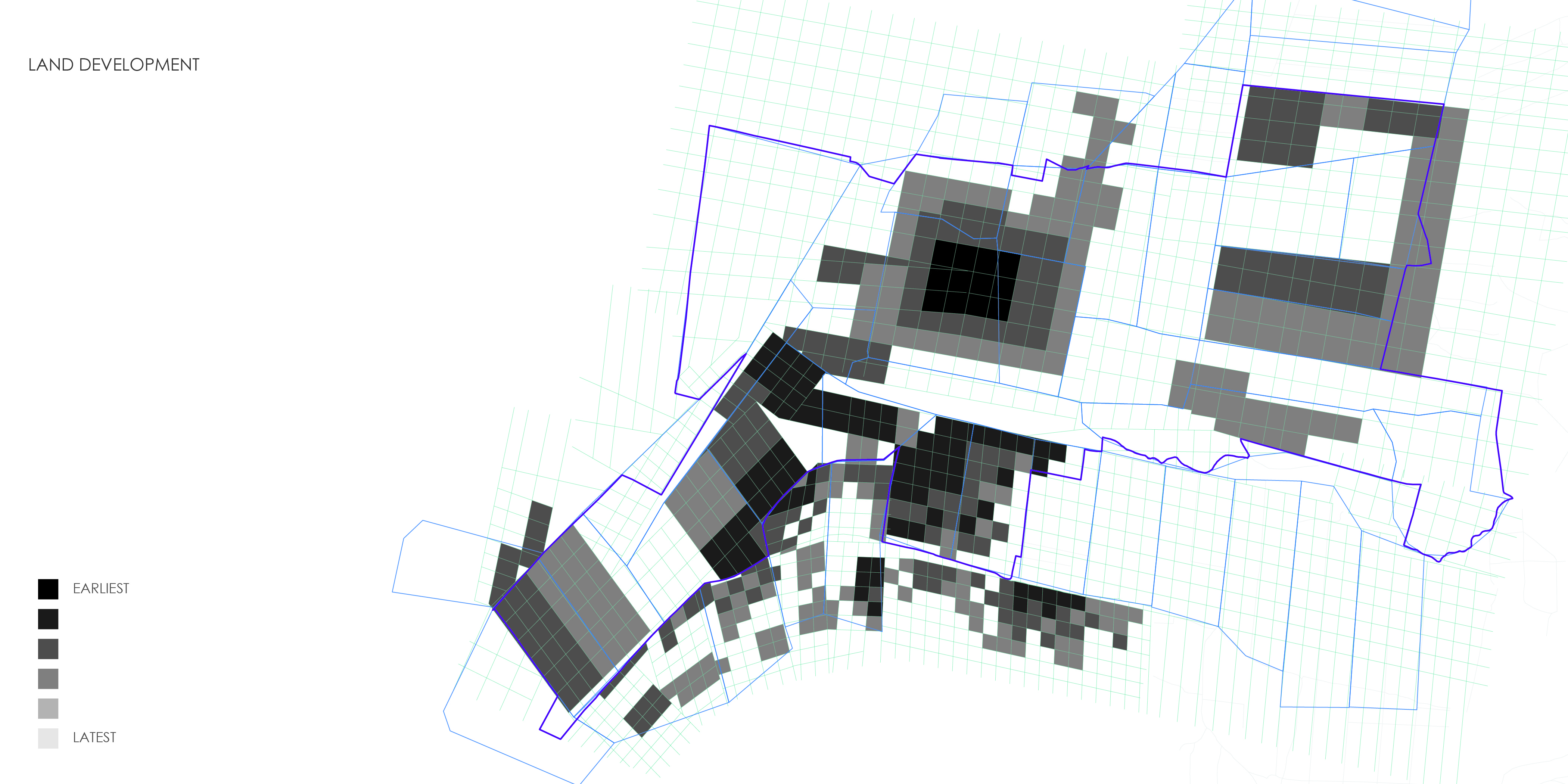
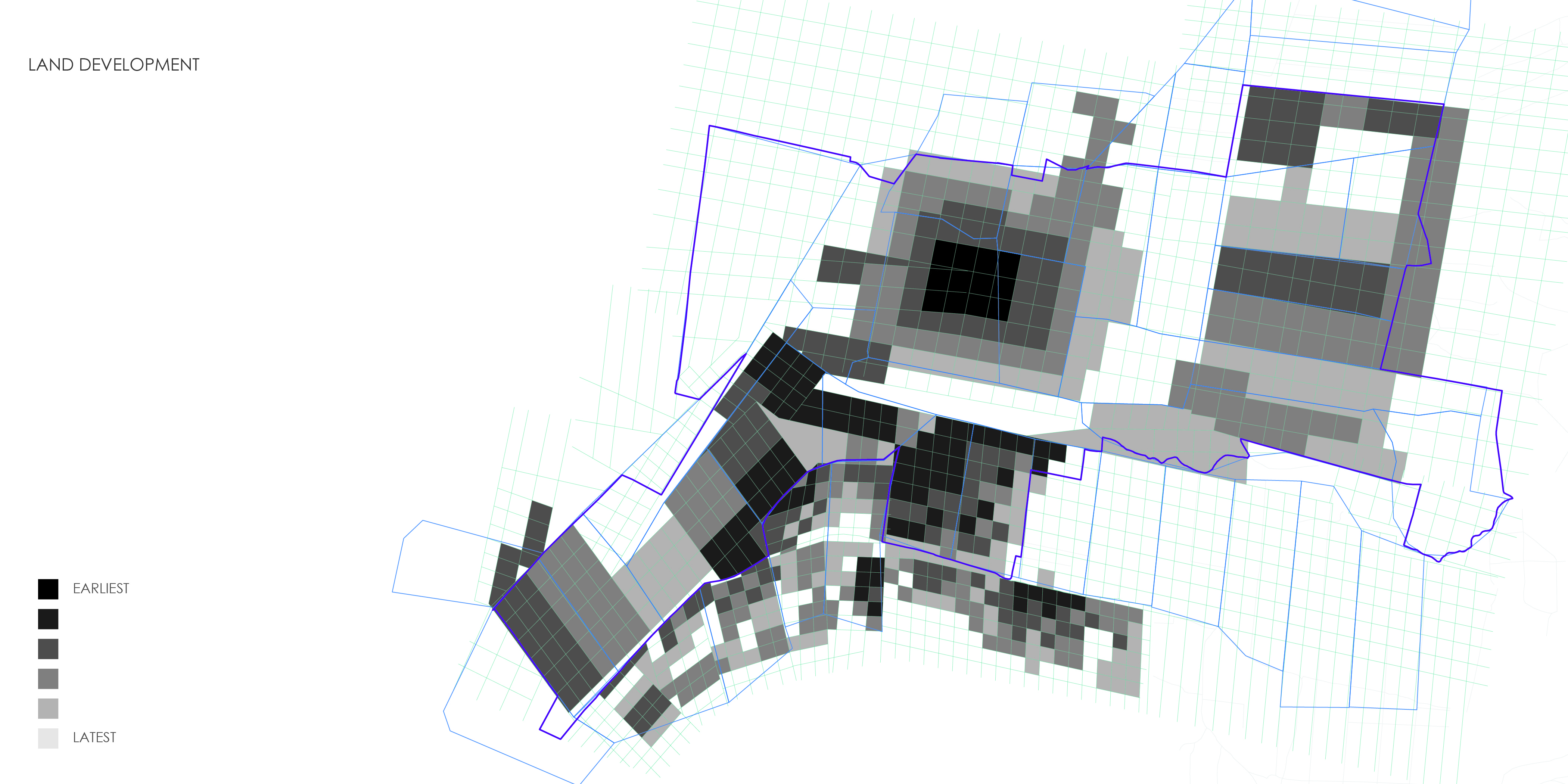
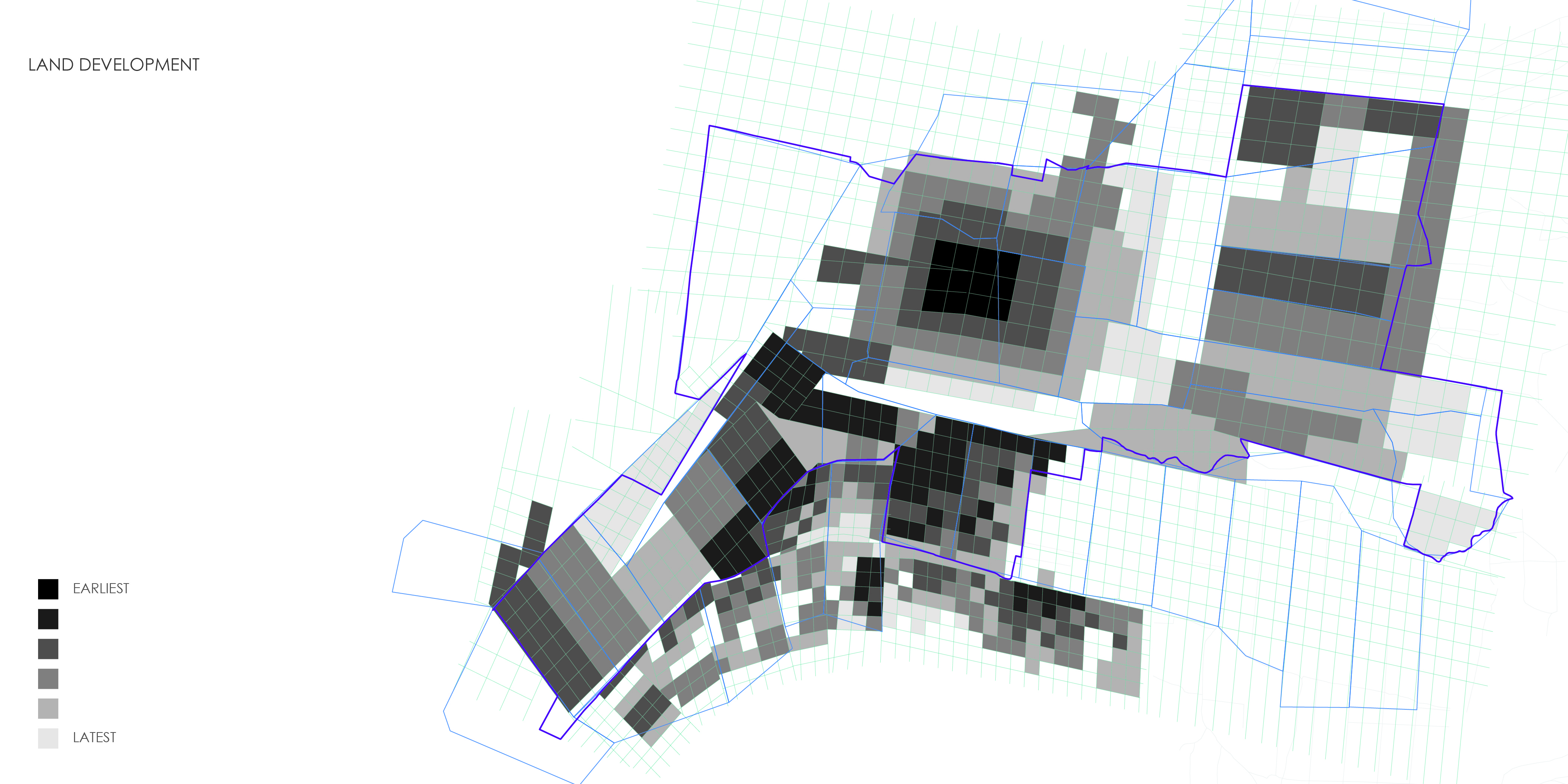
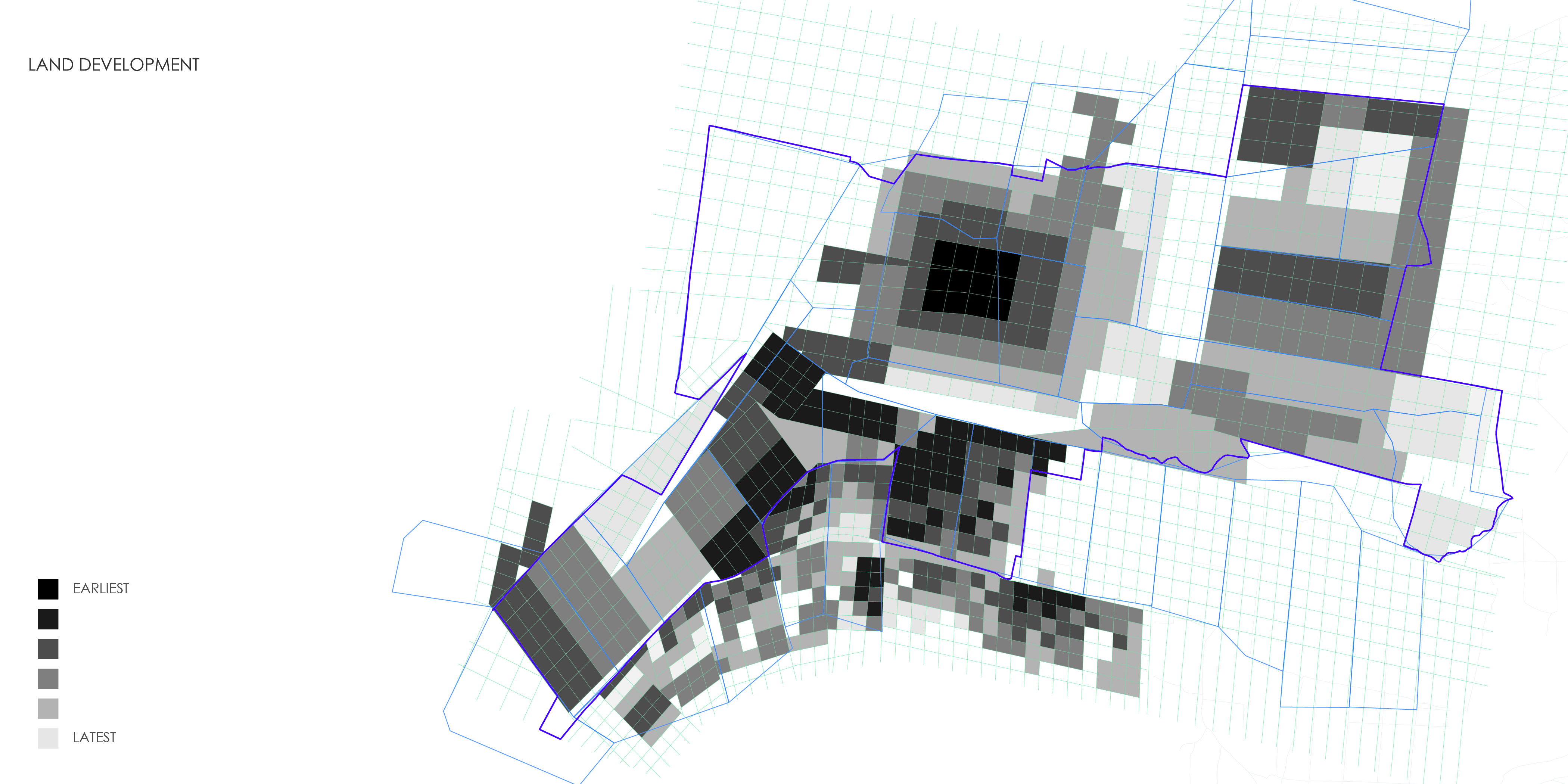
Urban Growth Explained:
Methods of urban development involve many struggles and compromises between its affected network actors. Among the most important groups involved in these processes of development are the political organizations, (potential) residents, and the financial institutions that fund these developments. Mexico, and more specifically the Federal District of Mexico, further complicates these relationships through its difficult and complicated history with land division and rights to land ownership. Land control, division, and property rights have played an extremely important role in the development of Mexico City’s peripheral municipalities. These factors provide a structure with which to explore the problems that arise when a city uses agrarian dominated principles of land division and ownership to inform the organizations of new settlements.
Land ownership in Mexico has represented a group’s political and financial control of a territory dating back as far as the organization of its indigenous tribes’ towns. Through practices of communal land ownership, rulers of villages could separate the village’s residents from the lands that they worked. Although they lived on small plots of land, residents’ families were sustained by the village’s communal lands. This land provided all of their required resources – ranging from woods for fuel, to quarries for building, pastures and stables for animals, and the agricultural lands that they worked to provide food for their families. It was rare for individuals to own their own lands, forcing them to depend on the ruler of the town to provide necessary services and support. The totalizing ownership of land – through the control of communal land – by larger organizations (leaders, rulers, empires, governments, etc.) had survived in some form until the mid-20th century.
Although land ownership distantiation has been an important component to the successes of past rulers of Mexico ranging from the various stages of the Aztec Empire to the Spanish conquest and populist leaders, it has also led to the downfall of the Aztecs as well as the downfall of the Spanish colonizers. Land distantiation gives the local government great power, but it also gives governments a large responsibility to provide for residents while protecting them and their land. Throughout Mexico’s history, as corruption and bureaucracy spread rulers, towns, and municipalities have become less effective in this protection. The most recent of Mexico’s many revolutions over land ownership has seen social organizations rise to fill the place that towns and municipalities have failed. In some instances they have provided services that the government has promised but never fulfilled. In others, they have created conflicts as organizations claim lands for peasants and others who have never had a voice in the Mexican governments. Communal lands provide the basis of power for social organizations and governments of Mexico because in many instances it is the only land left for development.
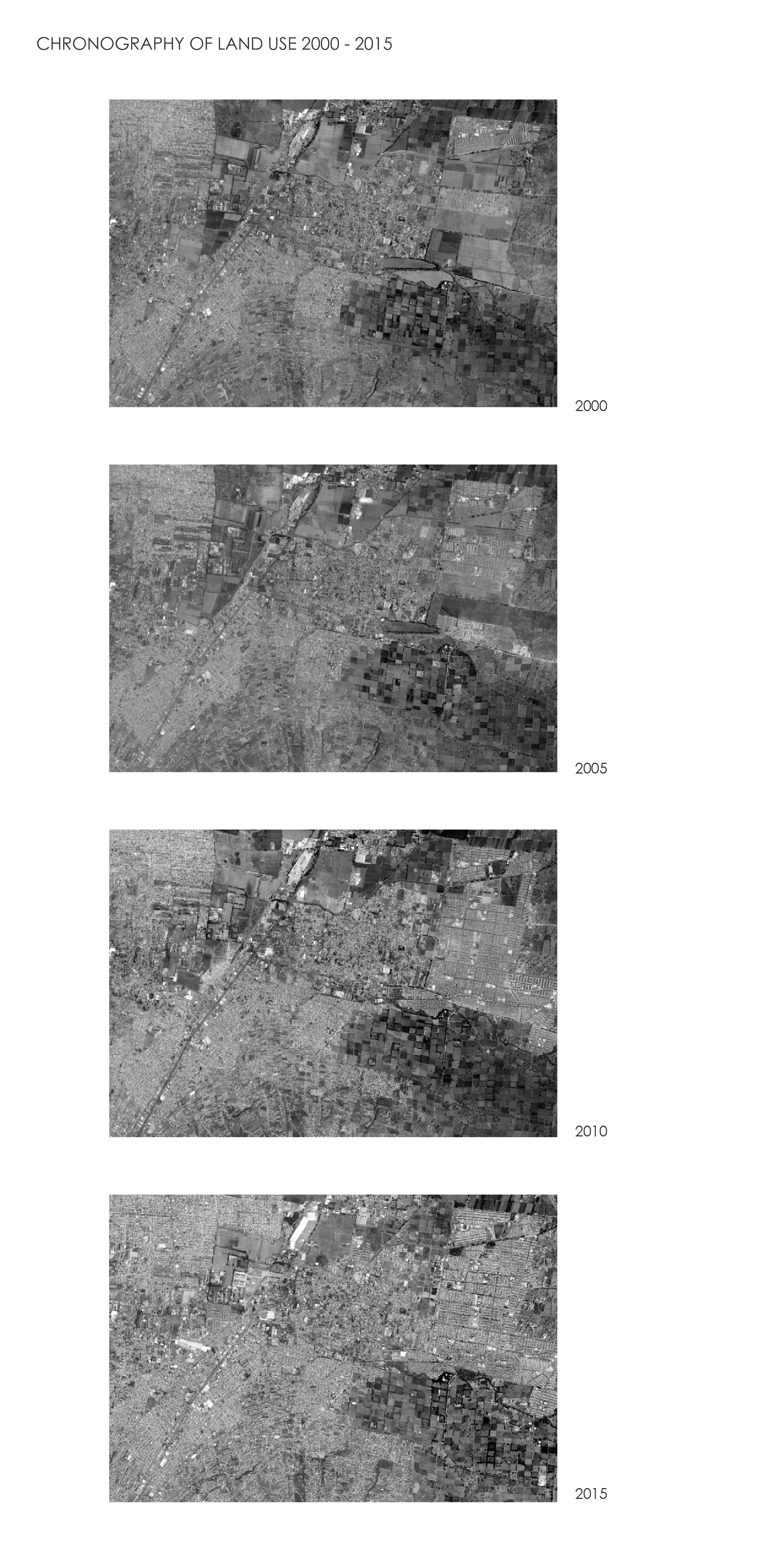
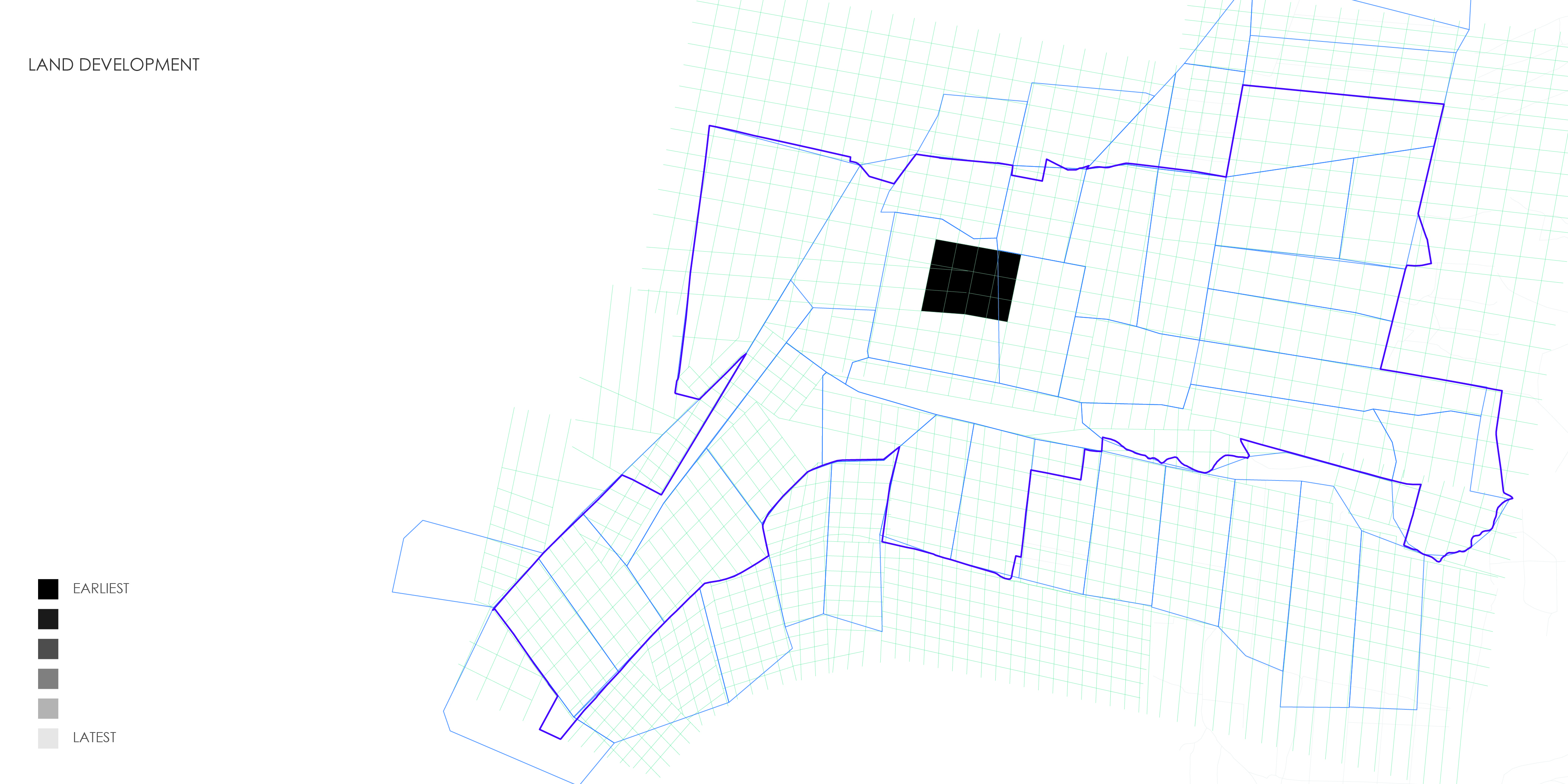
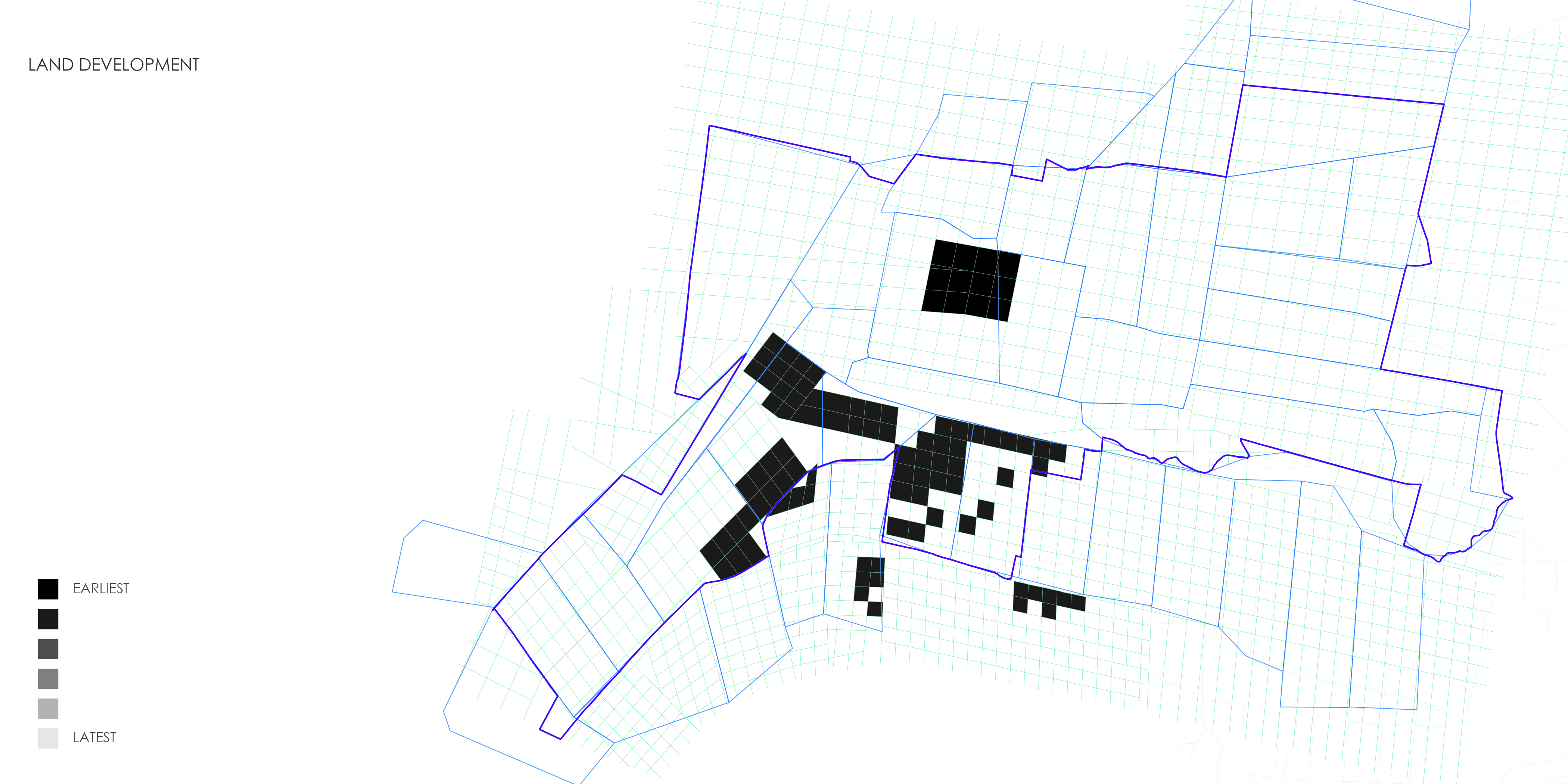
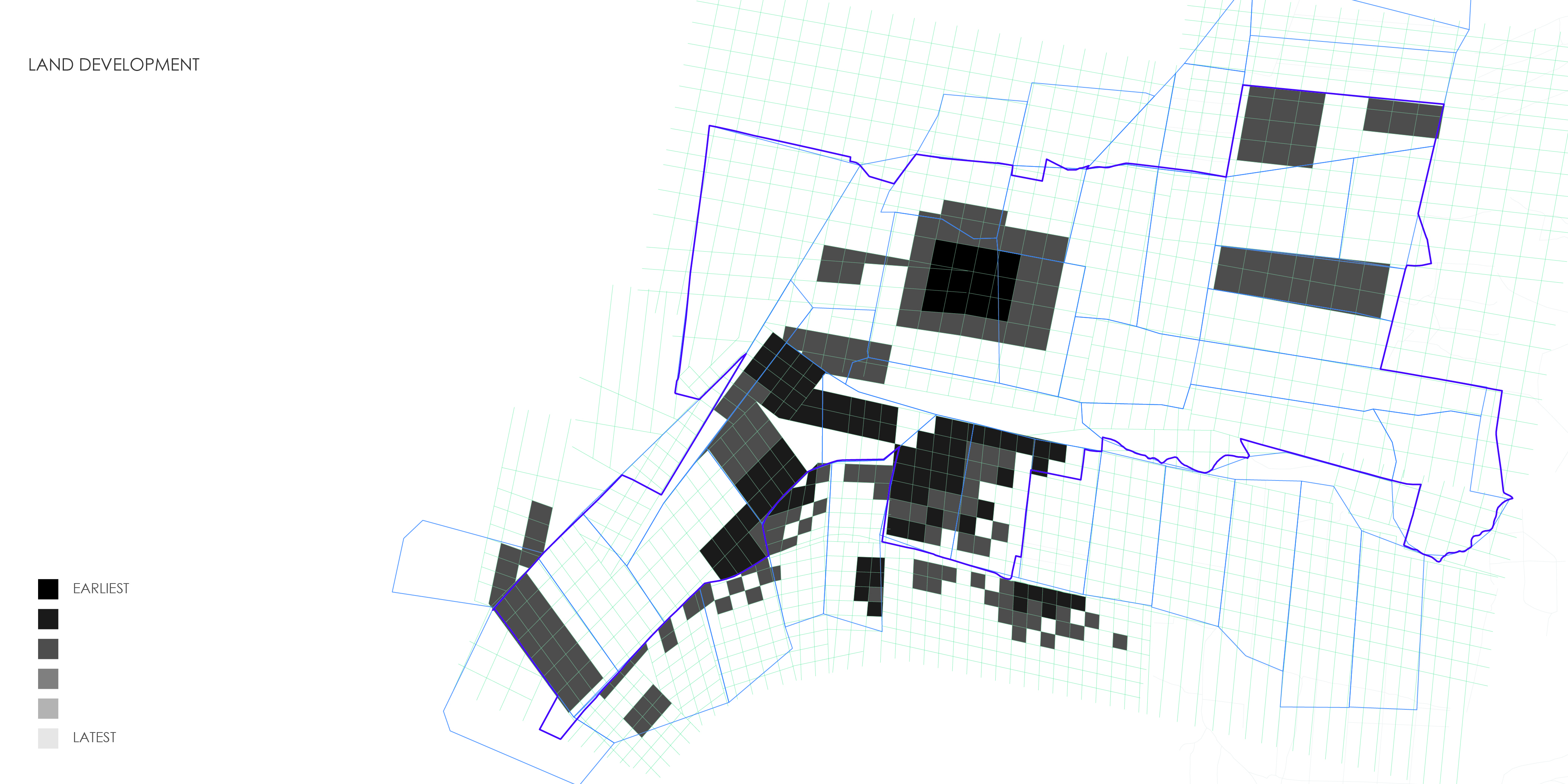
This research explores the various types of land development in Mexico City’s peripheral municipalities. With the introduction of informal settlements and social organizations, a few typologies of land division and development have emerged as municipal governments attempt to transition their inefficient agricultural lands into urban organizations. We have limited the extents of our study to the municipality of Chicoloapan. It sits within a currently developing ring at the periphery of Mexico City that missed the first rounds of mass development. This is one of the main reasons we chose to study Chicoloapan. Many municipalities adjacent to the Federal District are at the tail end of their transition from agriculture to urban development – that is not to say that these municipalities are fully developed, but instead that their land is no longer agriculturally dependent – and are therefore less heterogeneous in their typologies of land use. The ring of development that includes Chicoloapan, on the other hand, is in the middle of this transition. It represents a microcosm of the rapid acceleration of development that has been occurring throughout Mexico since the mid-20th century. In Chicoloapan informal settlements, government subsidized formal settlements, agricultural land, an historical center existing since the Aztec Empire, an uninhabited forest, and a mountain range all converge. The existing ejidal agricultural lands provide a window into the distribution and organization of land throughout its history. Some lands have been developed by social organizations with the primary goal of gaining political control while others are government subsidized developments. These have been developed and driven by the private profits of developers and builders. Each of the different typologies of urban development in Chicoloapan provide different qualities of urban life as well as infrastructural, residential, and commercial distribution.